
About Us
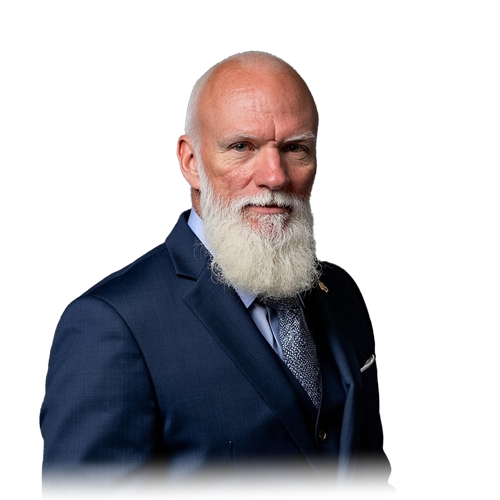
Jamie Borden
Sgt. Jamie Borden (Ret.) is the founder and lead instructor of Critical Incident Review (CIR), a nationally recognized expert in police use-of-force analysis, investigative practices, protocols, policy development, and forensic video review and examination.
Beginning his sworn law enforcement career in 1997—including service as a patrol sergeant and the creator/supervisor of the Use-of-Force Training and Analysis Unit—Sgt. Borden brings a unique “boot-on-the-ground” perspective to high-stakes critical incident review. Since founding CIR, he has been retained as an expert consultant and witness in approximately 380 critical force incidents across the United States. His casework encompasses objective analysis of officer-involved shootings, complex use-of-force events, police practices and procedures, and detailed forensic video examination in high-liability matters.
He has provided expert services to prominent agencies including the U.S. Department of Justice, The Army CID, Texas Rangers, Arizona Department of Public Safety, Texas Department of Public Safety, California Department of Justice, Oregon Department of Justice, and numerous large law enforcement departments nationwide. Many of these agencies have fully adopted the investigative principles and training programs developed through Critical Incident Review.
Sgt. Borden is the author of four authoritative investigative reference manuals that serve as essential resources for modern force investigation:
- Anatomy of a Critical Incident – Navigating Controversy {LINK}
- The Objective Compass for Critical Incident Review: A Leadership Perspective to Force Analysis and Decision Making
- The Enhanced Force Investigation and Cognitive Interview Investigative Reference Manual {LINK}
- Force Analysis, Video Examination and Review Investigative Reference Manual {LINK}
Through the CIR training umbrella, he delivers a suite of specialized programs grounded in science-based methods, police performance factors, cognitive interviewing, video forensics, and practical leadership perspectives. His work continues to bridge frontline realities with executive decision-making, equipping agencies to conduct thorough, objective, and defensible critical incident reviews that support and protect law-enforcement, departments, and communities alike.